Morocco at a Glance
This morocco travel guide starts with the basics: the country’s flag, geography, climate, people, and culture, before moving into everything you need to actually plan a trip. Whether you are mapping out a week or a full two-week route, this morocco travel guide gives you the orientation to plan the rest with confidence.
*Morocco shifts to UTC+0 for the duration of Ramadan each year, then returns to UTC+1 afterward.
The Moroccan Flag
Geography and Regions
Morocco sits in the northwest corner of Africa, with coastline on both the Atlantic Ocean and the Mediterranean Sea. Spain is close enough across the Strait of Gibraltar to see on a clear day from Tangier. Inland, the landscape shifts dramatically across a fairly short distance, which is part of what makes Morocco unusual as a destination.
Rif Mountains
The northern range, home to Chefchaouen and closest to the Mediterranean coast.
Atlas Mountains
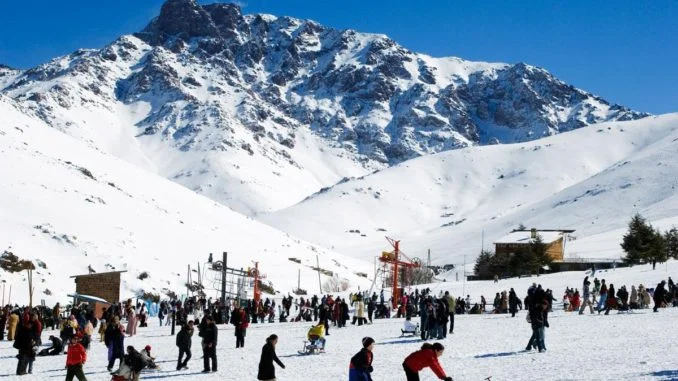
Running through the center and south, dividing the coast from the desert and reaching over 4,000 meters at their highest point.
Atlantic Coast
Includes Casablanca, Essaouira, and Agadir, with a milder climate than the interior.
Sahara Desert
The region begins southeast of the Atlas Mountains and extends to the far south, with Merzouga serving as the main starting point for desert camps.
Climate and Weather
Morocco’s climate changes by region rather than following one national pattern. The coast has a mild, Mediterranean-to-oceanic climate year-round. The Atlas Mountains see genuinely cold winters with snow. The desert and inland south swing between hot days and cold nights, especially outside of summer. Marrakech and inland cities get very hot in July and August, often past 100°F (38°C).
Spring (Mar-May)
Mild nationwide, the most comfortable all-around window
Summer (Jun-Aug)
Hot inland and south, more bearable on the coast
Fall (Sep-Nov)
Warm days, cooler evenings, similar to spring
Winter (Dec-Feb)
Mild in the south, cold at night in mountains and desert
People, Demographics and Culture
Morocco is home to about 36.8 million people, most of Arab and Amazigh (Berber) heritage, with communities spread across cities, mountain villages, and desert regions. Islam is the majority religion and shapes daily rhythms like the five daily prayers and the month of Ramadan. We cover Ramadan and religious etiquette in a dedicated guide, since it affects opening hours and daily routines enough to deserve its own explanation.
Moroccan culture blends Arab, Amazigh, and French colonial influence with West African and Andalusian threads, visible in everything from architecture to food to music. Hospitality is a serious cultural value. Being invited for mint tea is common and normal, not a sales pitch.
Read Moroccan Culture: Essential Facts, Customs and Local Insights →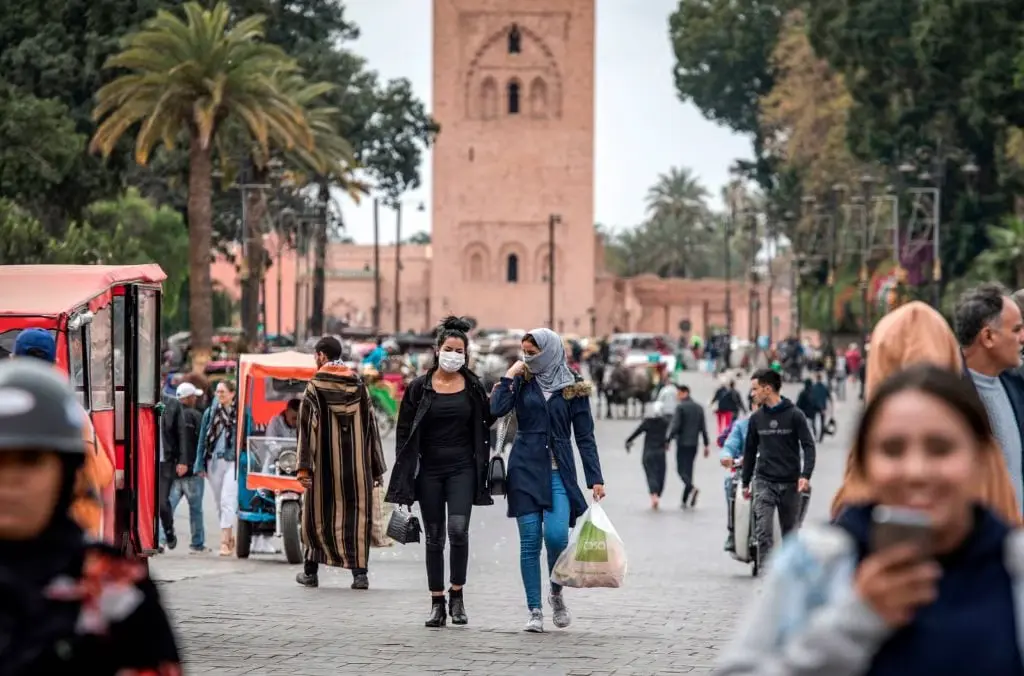
Languages
Arabic and Tamazight (Berber) are Morocco’s official languages. French is widely used in business, government, and education, a legacy of the French protectorate era. Spanish is common in the north, especially around Tangier and Tetouan. English is increasingly spoken in tourist areas, hotels, and by younger Moroccans, but it’s not a given outside the main cities.
Read the full Languages Spoken in Morocco guide →Artisanat: Morocco’s Craft Traditions
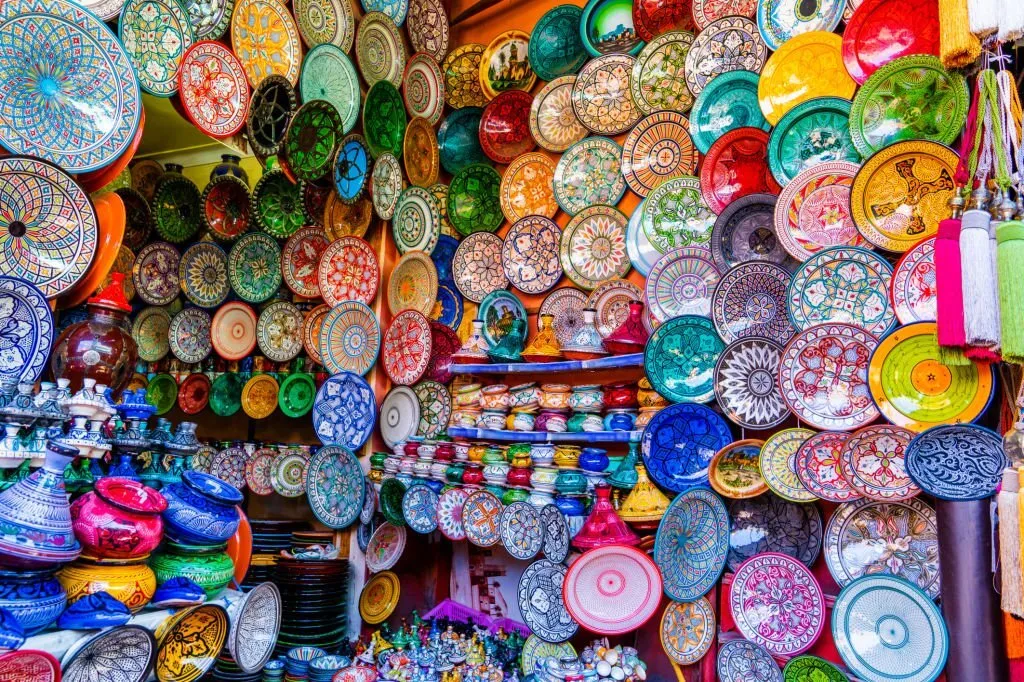
Morocco has one of the strongest living craft traditions in the region, and you’ll see it everywhere from souks to riads.
Zellige Tilework
Hand-cut geometric mosaic tiles used on walls, fountains, and floors, most associated with Fes.
Leather Goods
Bags, poufs, and babouche slippers, traditionally tanned in Fes’s famous tanneries.
Carpets and Rugs
Berber rugs from the Atlas Mountains and Middle Atlas, each region with its own patterns.
Pottery and Metalwork
Blue pottery from Fes, and hammered brass and silver lanterns and trays found across the souks.
Is Morocco Safe to Visit?
For most travelers, yes. As of the most recent US State Department advisory, Morocco sits at Level 2, “Exercise Increased Caution,” the same level given to many popular destinations. The main concern flagged is the general risk of terrorism at tourist sites, transit hubs, and markets, not a specific threat to individual travelers. Petty theft and persistent vendors in medinas are the more common day-to-day annoyance.
Do US Citizens Need a Visa for Morocco?
No. US passport holders can enter Morocco visa-free for stays of up to 90 days. Your passport needs at least six months of validity left and one blank page for the entry stamp. If your trip runs longer than 90 days, you’ll need to appear before a local authority to request an extension before your time runs out.
Read the full Morocco Visa Requirements guide →Money in Morocco
The Moroccan dirham (MAD) is a closed currency. You generally can’t buy it before you arrive, and you can’t legally take it out of the country when you leave. Most travelers exchange cash after landing or withdraw dirhams from an ATM. If you’re carrying more than 100,000 MAD or the equivalent of $10,000 USD in cash, you’re required to declare it at customs.
Cards work in larger hotels, riads, and restaurants in bigger cities, but cash still runs daily life, especially in medinas and smaller towns.
Practical Basics Before You Go
A few more essentials worth knowing before you book anything. Each one gets its own full guide, this is just the short version.
Packing List
What to pack changes by season and region. Bring layers even in summer for cooler desert nights, modest clothing for medinas and rural areas, and comfortable shoes for uneven medina streets. Full packing list →
What to Wear
Morocco doesn’t require covering your hair or face as a visitor, but modest clothing (shoulders and knees covered) is appreciated outside beach and hotel areas, and inside religious sites. Full clothing guide →
SIM Cards & eSIM
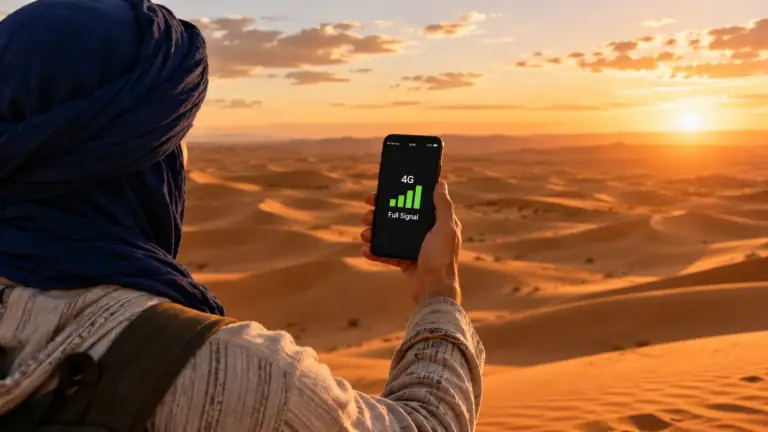
A local SIM or eSIM is the easiest way to get data on arrival. Physical SIMs are sold at the airport and in cities, and eSIMs can often be set up before you land. Full SIM & eSIM guide →
Getting Around Morocco
Trains connect the major cities comfortably, while grand taxis and buses cover routes trains don’t reach. Renting a car gives the most flexibility for mountain and desert routes. Full transport guide →
Driving in Morocco
Roads between major cities are generally in good condition, but mountain and desert routes call for more caution. Rental requirements and insurance options vary by company, so confirm before booking. Full driving guide →
Tipping
Tipping is expected in restaurants, for guides, and for hotel staff, generally modest amounts rather than US-style percentages. Full tipping guide →
Alcohol & Local Laws
Alcohol is legal for non-Muslim adults in licensed hotels, bars, and restaurants, and in some supermarkets in larger cities. Public drinking isn’t allowed, and availability drops in smaller towns. Full alcohol & laws guide →
Travel Insurance
Morocco doesn’t require proof of travel insurance to enter, but medical care can be costly to arrange on the spot, so most travelers get a policy covering hospital stays and evacuation. Full insurance guide →
Electricity & Plugs
Morocco uses the European-style two-pin plug at 220V, the same standard as most of continental Europe. US devices will need a plug adapter. (dedicated guide planned, not yet published)
Public Holidays & Closures
National and religious holidays can close banks, government offices, and some shops with little notice, so it’s worth checking the calendar before finalizing your dates. (dedicated guide planned, not yet published)
Health & Vaccinations
No vaccinations are required for entry, but routine vaccines and a pre-trip check with your doctor are standard advice for most international travel. (dedicated guide planned, not yet published)
Morocco’s Main Cities and Regions
Morocco’s four imperial cities, Rabat, Fes, Meknes, and Marrakech, anchor most first-time itineraries, each having served as a historic capital at some point.
Marrakech
Morocco’s most visited city, known for its medina, souks, and easy access to the Atlas Mountains.
Fes
Home to the oldest and largest car-free urban area in the world, with the most intact medieval medina.
Casablanca
The modern business hub and most travelers’ arrival point.
Chefchaouen
The blue-washed mountain town in the Rif, popular for its photogenic streets.
Essaouira
A laid-back Atlantic coastal town known for wind, seafood, and a relaxed pace.
Merzouga
The main gateway to the Sahara Desert and overnight camel-trek camps.
How Many Days Do You Need in Morocco?
A week is enough to cover one region well, for example Marrakech plus a desert overnight, without feeling rushed. Ten days to two weeks lets you combine two or three regions, like the imperial cities plus the coast, or Marrakech plus Chefchaouen plus the desert. Trying to cover the whole country in under a week usually means long travel days and very little time to actually be anywhere.
Read the full Itinerary Planning Guide →Where to Start Planning Your Trip
If you’re just getting oriented, the most useful next step is picking a trip length and one or two regions to anchor it, then working outward from there using the dedicated guides linked throughout this morocco travel guide.