Is Marrakech Morocco safe? Yes, for most visitors it is. The main streets are busy and well policed, people are welcoming, and millions of visitors enjoy the city every year. All you need are a few easy habits: keep your phone close in busy places, say a polite no thank you to offers of help, and agree taxi prices first.
I was born and raised in Morocco, and this is what we tell our own friends before their first trip to Marrakech: the simple habits that make the city easy, the friendly offers you can say no to, how each area feels, advice for women, and the useful numbers to save.
Is Marrakech Morocco safe? The short answer
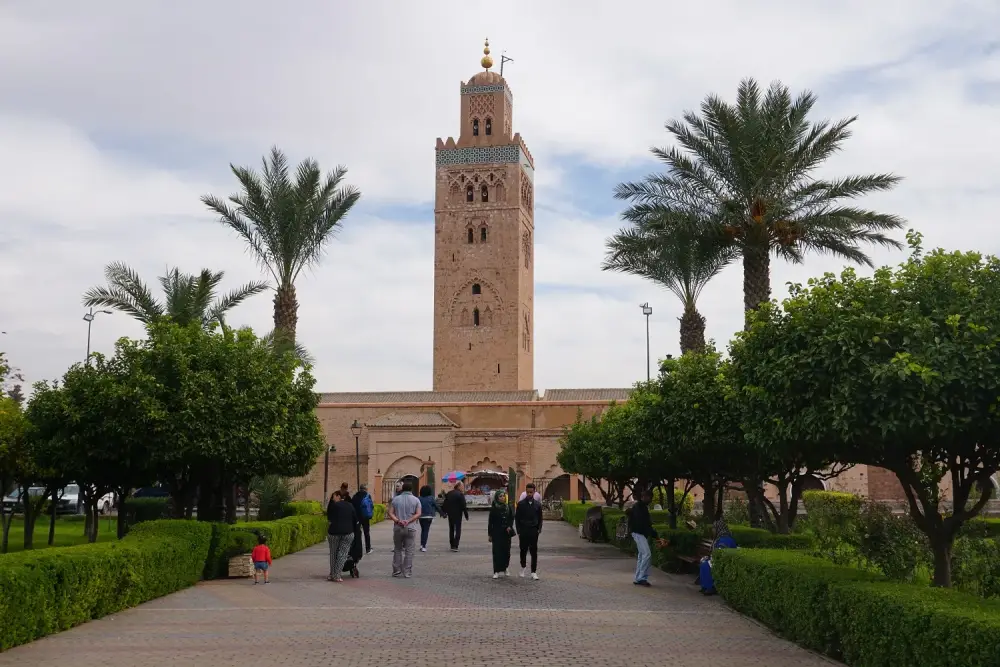
The US State Department rates Morocco as a whole at Level 2, “Exercise Increased Caution”, in its advisory issued on September 4, 2026. That is the same level it gives many popular destinations around the world, and it is a general precaution for the whole country. In Marrakech, police are visible around the square and the main sights, and most visits are easy and welcoming.
For a traveler, Marrakech safety mostly comes down to a few good habits. This table sums them up.
| Situation | Where | Good habit |
|---|---|---|
| Busy crowds | Jemaa el Fna in the evening, the souks | Phone in a front pocket, bag zipped |
| Offers of help or a guide | Medina entrances, near riads and sights | A smile and “la, shukran” (no, thank you) |
| Taxis | Airport, Jemaa el Fna, hotel areas | Ask for the meter or agree the price first |
| Motorbikes in the lanes | Inside the medina | Keep to the side and listen for engines |
| Summer heat | Everywhere from June to September | Water, shade and indoor visits at midday |
| Late evenings | Small medina lanes | Walk back with riad staff or take a taxi |
Friendly offers you can say no to
Most questions we get about Morocco Marrakech safety are really about the people who offer help in the medina. They are trying to earn a little money, not to cause harm, and a calm “no, thank you” ends almost every offer.
- “This road is closed.” A friendly man tells you the lane ahead is closed or the square is “that way”, and a second person agrees. It is almost never true. Keep going, or check your offline map.
- The unofficial guide. Someone walks beside you, explains the sights and leads you to your riad, then expects a tip. If you do not want help, say so at the start and do not follow.
- “The tannery is open only today.” You are walked to a tannery or a “Berber market” that closes “tomorrow”, then into a shop. It is a sales visit, not a festival.
- Henna on the square. A woman takes your hand and starts drawing before you agree, then asks for payment. Keep your hands to yourself and agree the price first if you want henna.
- Photos with monkeys and snake charmers. A snake is placed on your shoulders or you take a quick photo, and the handler expects a tip. Agree the price before any photo.
- The taxi with no meter. The driver offers a fixed fare instead of the meter. Ask for the meter, agree the price before you sit down, or wait for the next taxi.
- Free mint tea and the rug shop. Tea is genuine Moroccan hospitality, and a “quick look” can turn into a long, friendly sales chat. Enjoy the tea, and leave with a smile if you are not buying.
Area by area: where you will feel safe
Marrakech is a city of very different neighborhoods, so the honest answer to is Marrakech Morocco safe changes a little from one area to the next, and between day and night.
- The medina. The old walled city, with the souks, palaces and most riads. Busy, friendly and full of people during the day. Late at night small lanes get quiet, so ask your riad to walk you back or send someone to meet you.
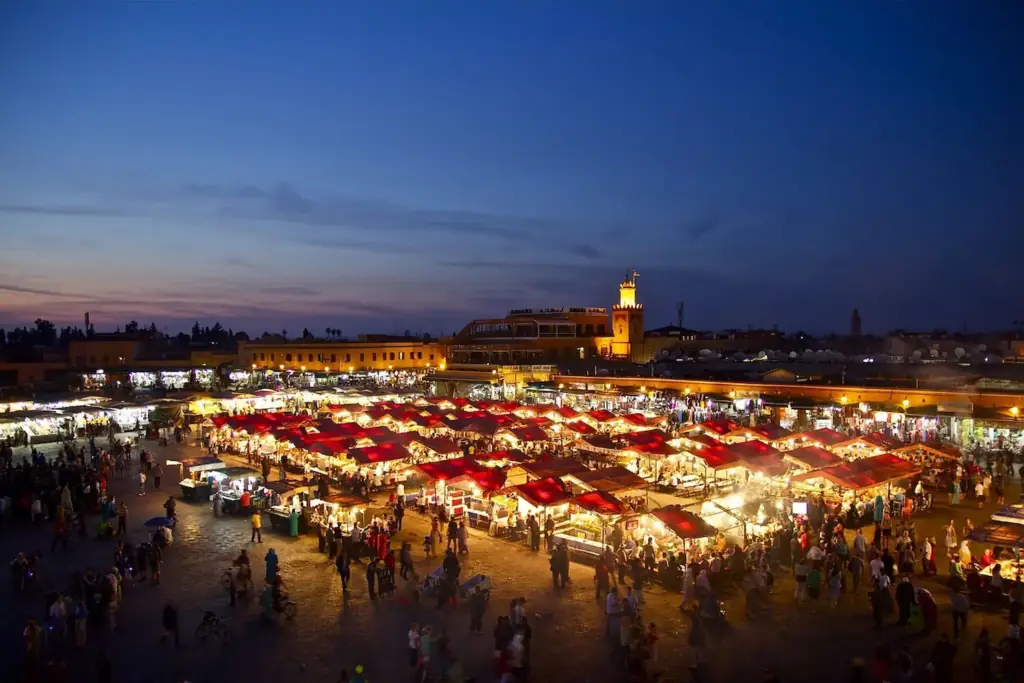
- Jemaa el Fna. The main square is at its best in the evening, with food stalls, music and crowds. It gets busy, so keep your phone in a front pocket and your bag closed.
- Gueliz. The modern center, with wide streets, cafés and shops. It feels like any calm European city center, day and night.
- Hivernage. The hotel district between Gueliz and the medina, with big hotels and restaurants. Well lit and patrolled.
- The Mellah. The old Jewish quarter next to the Bahia Palace. Interesting and safe by day, quieter in the evening.
- The Palmeraie. Resorts and villas among palm trees outside the city. Very calm, but far from the center, so plan your transport.
For where to sleep, our Marrakech travel guide compares each area in more detail.
Marrakech safety for women and solo travelers
Is Marrakech Morocco safe for women? Yes for most, and many women travel to Marrakech alone or with friends and have a great trip. Shopkeepers may greet you with a friendly “hello, where are you from?” as you walk by; a smile and “la, shukran” is all you need.
- Dress in light clothes that cover the shoulders and knees. It is respectful, cooler in the sun, and you will fit in easily.
- Walk with purpose, even when you are not sure of the way. Step into a shop or café to check your map.
- You never have to stop and chat; a polite “la, shukran” and a smile are enough.
- Book a riad with good reviews from solo women, and ask the staff about the way home at night.
- For the first walk through the souks, a licensed guide makes everything easier and lets you enjoy the souks at your own pace.
Our guide on whether it is safe to travel to Morocco covers the rest of the country, including advice for women traveling outside Marrakech.
Getting around Marrakech safely
The medina is best on foot. The lanes are narrow and shared with motorbikes, carts and donkeys, so keep to the side and look back when you hear an engine. Download an offline map before you arrive: phone signal can drop inside the old walls, and our Morocco eSIM guide explains how to have data from the moment you land.
Petit taxis are the small beige cars that run inside the city. Ask for the meter, or agree the fare before you get in, especially at the airport and around Jemaa el Fna. For trips outside the city, many visitors prefer a private driver: on our tours the driver picks you up at your riad, so there is no taxi to find and no fare to discuss.
Health and heat
In summer, asking is Marrakech Morocco safe is really asking about the heat: the main thing to plan around is the sun. From June to September, afternoons are very hot and often pass 100°F, so plan sights for the morning, rest at midday and drink plenty of water. Our guide to the best time to visit Marrakech shows the temperatures month by month.
- Drink bottled or filtered water, and be careful with ice in small cafés.
- Street food is part of the fun. Choose busy stalls where locals eat and the food is cooked in front of you.
- Bring travel insurance that covers medical care. Private clinics in Marrakech are good, but they often ask you to pay up front.
10 tips for staying safe in Marrakech
These are the tips we give friends who ask us is Marrakech Morocco safe before their first visit:
- Keep your phone in a front pocket and use a zipped crossbody bag.
- Carry only the cash you need for the day, in small notes.
- Say “la, shukran” once and keep walking when someone offers help you did not ask for.
- Agree every price first: taxis, henna, photos and guides.
- Ask your riad to meet you at a known landmark on the first evening.
- Use an offline map, and step into a shop to check it instead of stopping in the lane.
- Walk back with riad staff or take a taxi to the nearest gate late at night.
- Dress lightly but cover shoulders and knees.
- See the sights in the morning in summer and rest at midday.
- Save the emergency numbers below in your phone before you go.
Useful numbers to save
Your riad or hotel is your best help for anything you need: they know the city and can call the right people for you. Good numbers to keep in your phone:
| Service | Number |
|---|---|
| Police in the city | 19 |
| Ambulance and fire | 15 |
| Emergency from a mobile phone | 112 |
| Royal Gendarmerie, outside cities | 177 |
| US Embassy in Rabat, emergencies for US citizens after hours | +212 537 637 200 |
| US State Department from overseas | +1 202 501 4444 |
If you lose something, your riad can help you report it and get a written note for your insurance. If you lose your passport, contact the US Embassy and Consulate in Morocco, which handles services for US citizens through the Consulate General in Casablanca.
Good to know: public affection is kept private by everyone in Morocco, and the State Department country page lists local laws for travelers.
Questions about Marrakech safety
Is Marrakesh Morocco safe at night?
The busy parts are: Jemaa el Fna, Gueliz and Hivernage are lively until late. Inside the medina, the main lanes stay busy, but small lanes go quiet after about 10pm, so walk back with riad staff or take a taxi to the nearest gate.
Is Marrakech Morocco safe for American travelers?
Yes. Americans visit in large numbers, and the advice is the same as for everyone: watch your belongings in crowds, agree prices first and check the State Department advisory before you go.
Is it safe to drink the water in Marrakech?
Most visitors drink bottled or filtered water, including for brushing teeth on a short trip, to avoid an upset stomach.
So, is Marrakech Morocco safe for your trip? For a visitor who follows these tips, very much so, and most visitors leave Marrakech remembering the hospitality, the food and the colors of the souks. For everything else to plan around your visit, start with our list of the best things to do in Marrakech Morocco and our Morocco 101 travel guide.
Explore Marrakech with our local team