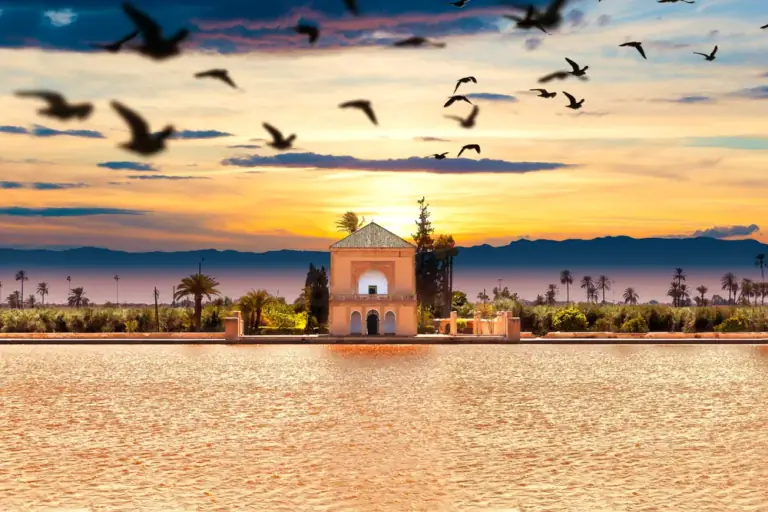
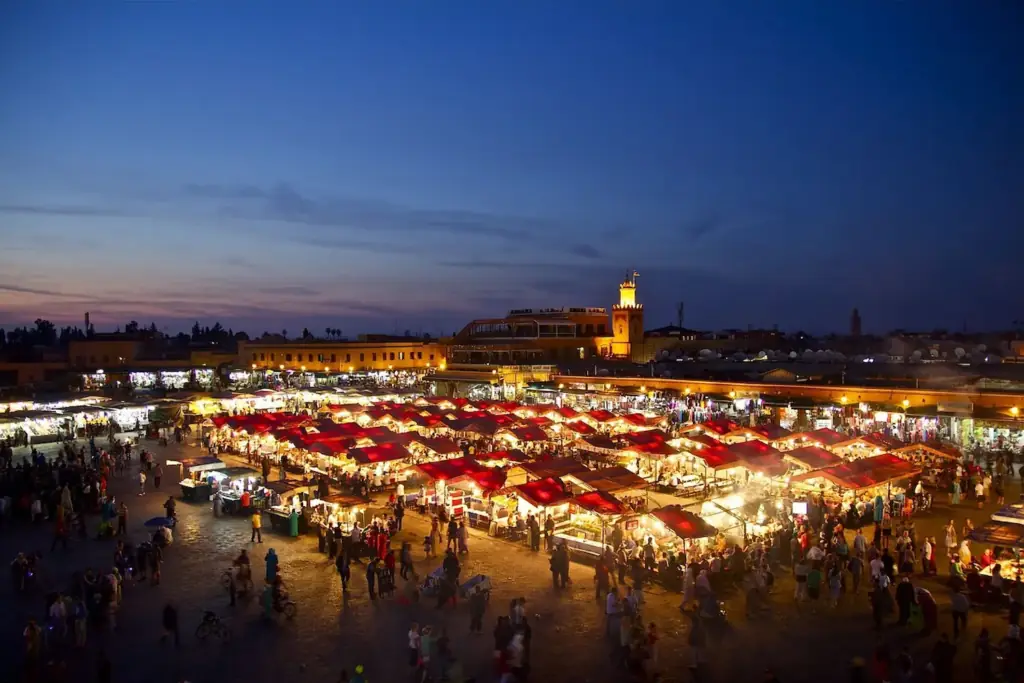
Best Morocco cities offer very different trips. Marrakech is the easiest introduction for many visitors, Fes has the deepest historic-medina experience, Essaouira brings a slower Atlantic rhythm, and Tangier opens the door to the north. For a first trip, choose two or three cities that fit one sensible route instead of trying to see them all.
If you are comparing Morocco cities for your first visit, start with the experience you want. Ancient medinas, modern neighborhoods, beaches, mountain scenery and desert routes are spread across the country. A place that looks close on a map can still require a long transfer.
Morocco cities at a glance
There is no single best Moroccan city for every traveler. The right choice depends on your interests, arrival airport, available time and tolerance for long travel days.
| City | Best for | Suggested stay | Main tradeoff |
|---|---|---|---|
| Marrakech | First visits, food, souks, gardens and easy excursions | 2 to 4 nights | Busy and intense in the central medina |
| Fes | History, traditional crafts and medina culture | 2 to 3 nights | The old city can be difficult to navigate |
| Rabat | A calmer capital, heritage and an Atlantic setting | 1 to 2 nights | Less evening energy than Marrakech or Casablanca |
| Casablanca | Modern Morocco, architecture and flight connections | 1 night | Not the strongest choice for a classic medina trip |
| Tangier | Northern culture, sea views and links with Spain | 1 to 2 nights | Far from Marrakech and the southern desert routes |
| Chefchaouen | Blue streets, photography and Rif Mountain walks | 1 to 2 nights | No train station and crowded during popular visiting hours |
| Essaouira | A relaxed medina, seafood and Atlantic air | 2 nights | Windy weather and no rail connection |
| Agadir | Beach time, resorts and access to Taghazout | 2 to 4 nights | Less historic atmosphere than the imperial cities |
| Meknes | A quieter imperial city and access to Volubilis | Day trip or 1 night | Fewer major sights than nearby Fes |
| Ouarzazate | Kasbah routes, film history and desert-bound journeys | 1 night | Best used as part of a wider road trip |
Marrakech: the best all-round introduction
Marrakech is the practical starting point for many first trips. The medina brings together souks, riads, food stalls, palaces and gardens, while Gueliz and Hivernage show a more modern side of the city. It also has strong flight connections and useful road links toward Essaouira, the High Atlas and southern Morocco.
The city suits travelers who want energy and variety. It is less suitable for anyone hoping for a quiet introduction. The central medina can feel overwhelming at first, so keep the arrival day simple and avoid planning every hour.
Choose Marrakech if: you want one lively base with a broad mix of culture, food, shopping and day-trip options.
Fes: the best city for medina history and crafts
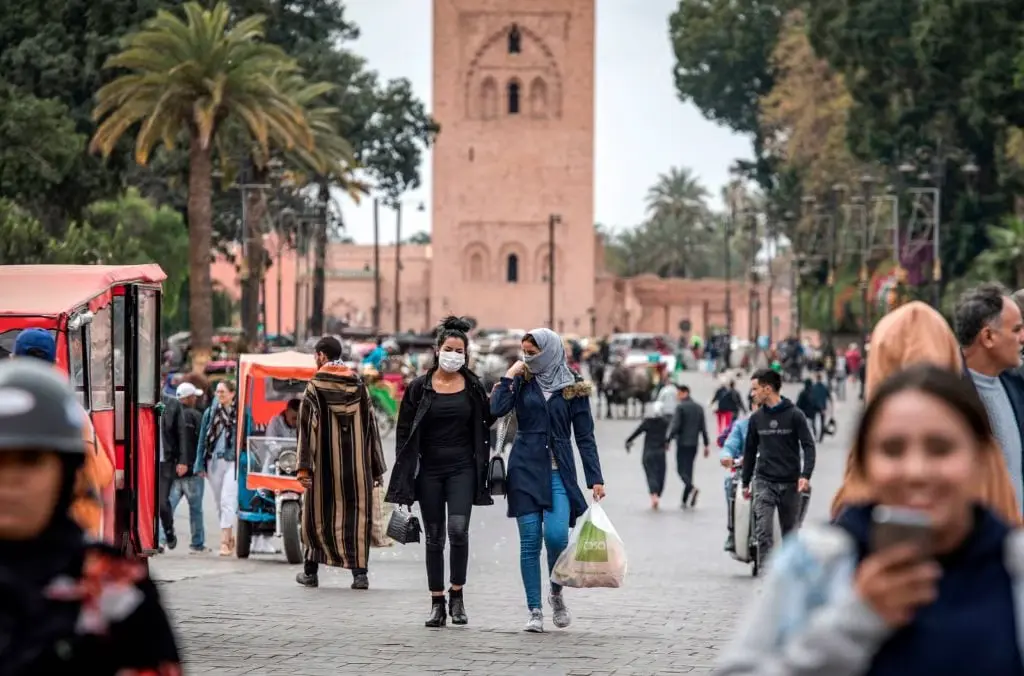
Fes offers a more concentrated historic experience. Fes el-Bali is known for its dense network of lanes, traditional workshops, madrasas and tanneries. The medina is recognized by UNESCO, and its scale makes the city feel very different from modern Casablanca or coastal Agadir.
We recommend at least two nights. A licensed guide can be useful for orientation and context, particularly on the first morning, but the rest of the visit should leave time for unhurried exploration. Fes also works well with Meknes and can form part of a northern route through Chefchaouen and Tangier.
Choose Fes if: historic architecture, crafts and the atmosphere of an old medina matter more to you than nightlife or resort comfort.
Rabat: the best calm imperial city
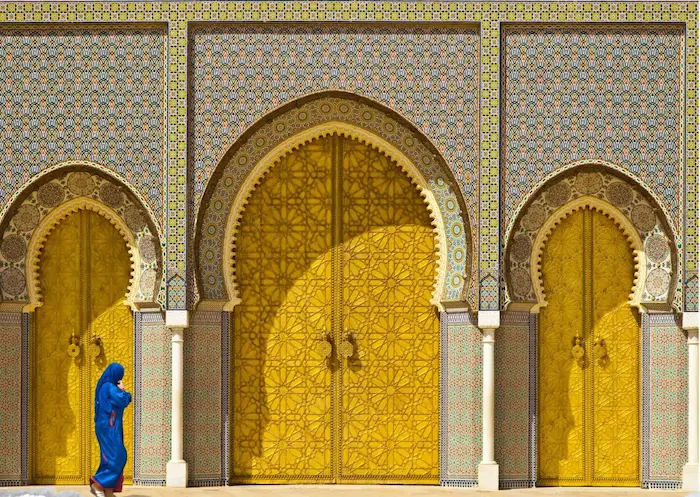
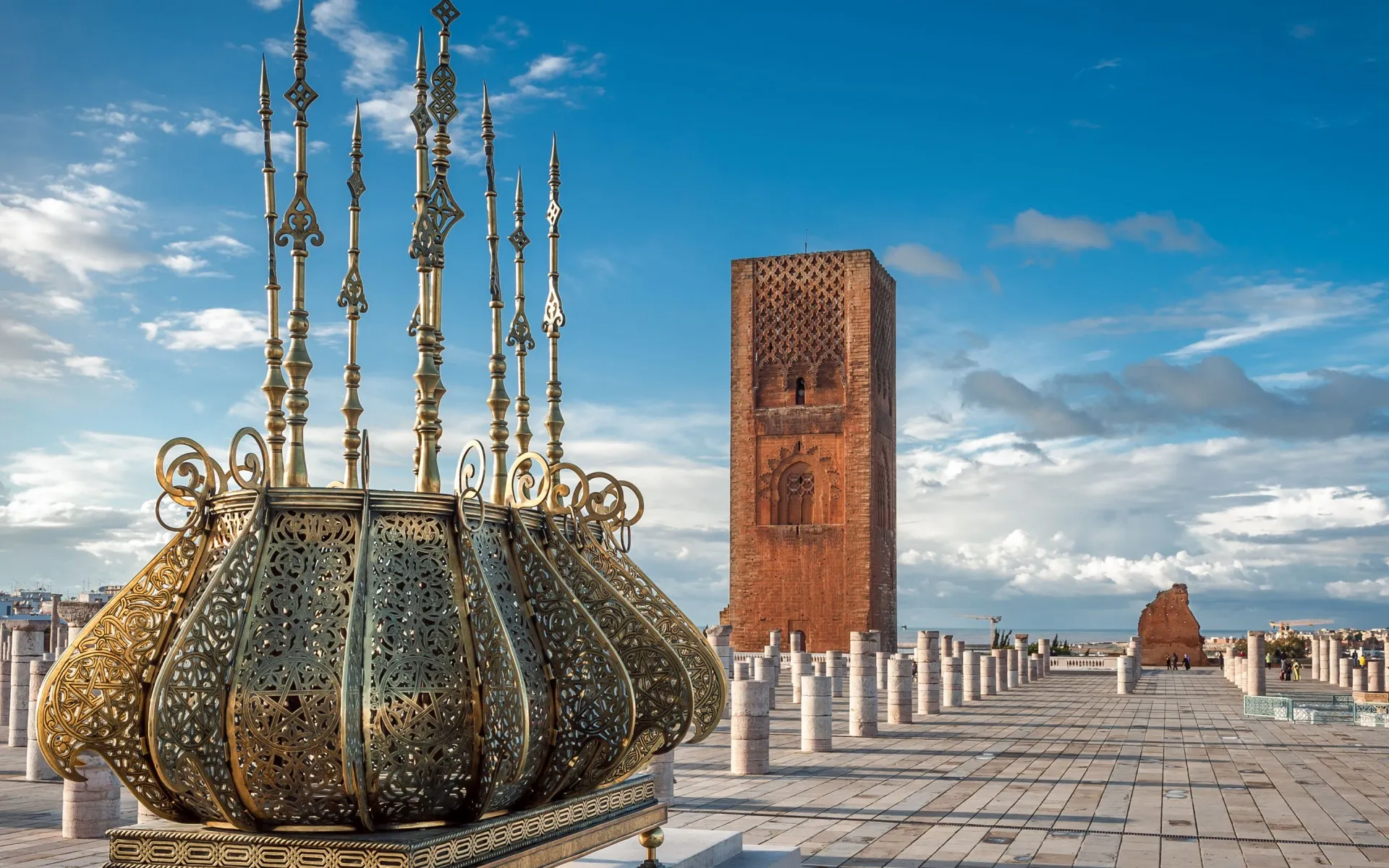
Rabat is Morocco’s capital, but it often feels easier to navigate than Marrakech or Casablanca. Its main attractions include the Kasbah of the Udayas, Chellah, Hassan Tower, gardens and Atlantic waterfront. Modern transport and broad avenues sit close to historic areas.
Rabat is a strong choice for travelers who want history without the same pressure found in busier tourism centers. It also fits naturally between Casablanca and Tangier or Fes on a rail-based route.
Choose Rabat if: you prefer a measured pace, accessible heritage and a city that mixes daily Moroccan life with major landmarks.
Casablanca: the best look at modern urban Morocco
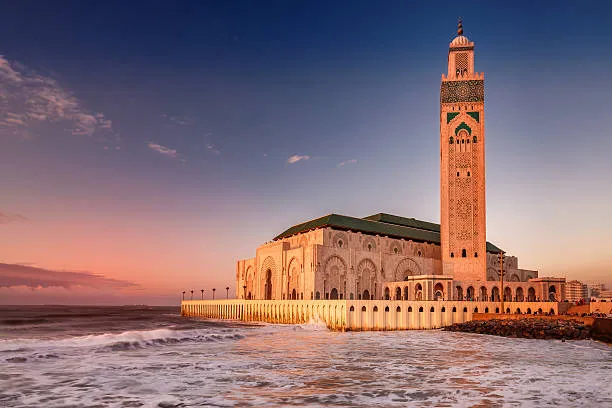
Casablanca is Morocco’s largest urban and economic center. Its appeal is different from that of the imperial cities. The Hassan II Mosque, Atlantic Corniche, Art Deco-influenced center, Habous area and contemporary restaurant scene are the main reasons to stay.
Do not add Casablanca simply because your flight lands there. One night is useful when the city interests you or makes the route easier. Travelers with limited time who mainly want medinas, crafts and historic streets may prefer to continue to Rabat, Marrakech or Fes.
Choose Casablanca if: you want architecture, modern city life and a convenient transport hub rather than a traditional old-city focus.
Tangier: the best gateway to northern Morocco
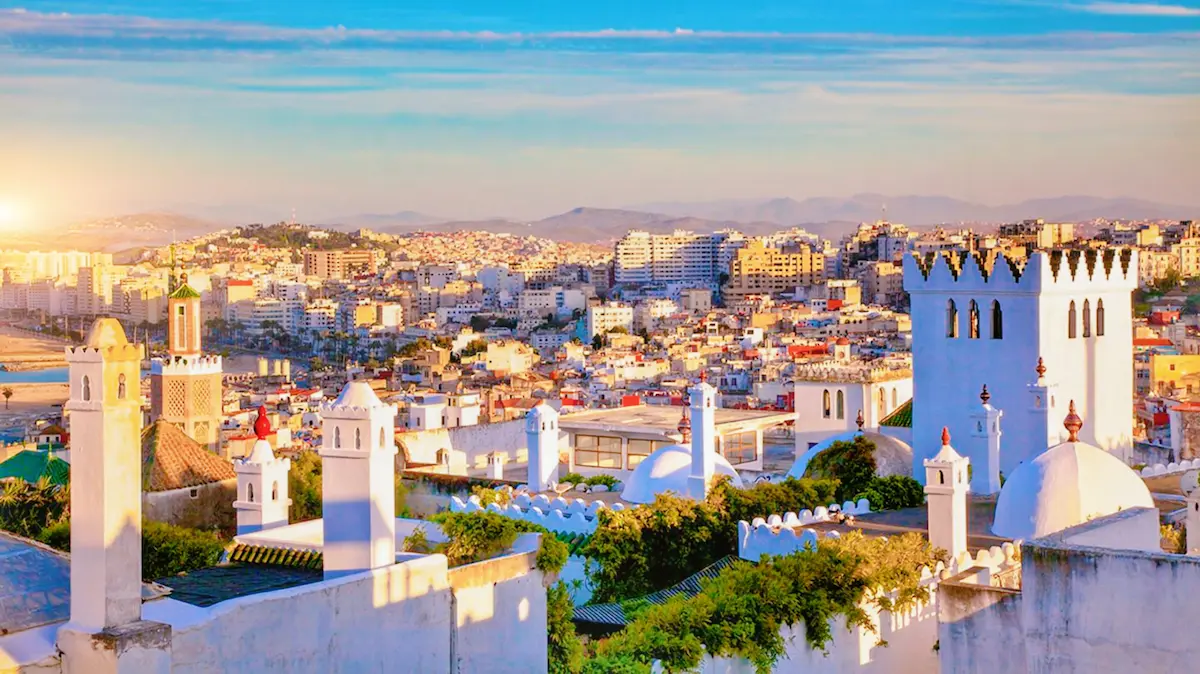
Tangier sits where the Mediterranean and Atlantic meet. Its medina, kasbah, sea views and layers of Moroccan, European and Mediterranean influence give it a distinct identity. The city is also a useful northern entry or exit point for travelers combining Morocco with Spain.
Tangier works especially well with Rabat and Casablanca by train, then Chefchaouen by road. It is not a convenient addition to a short Marrakech and Sahara trip because the north-south distances will consume too much time.
Choose Tangier if: you want coastal scenery, northern culture and an itinerary that stays above the long southern routes.
Chefchaouen: the best small city for mountain atmosphere
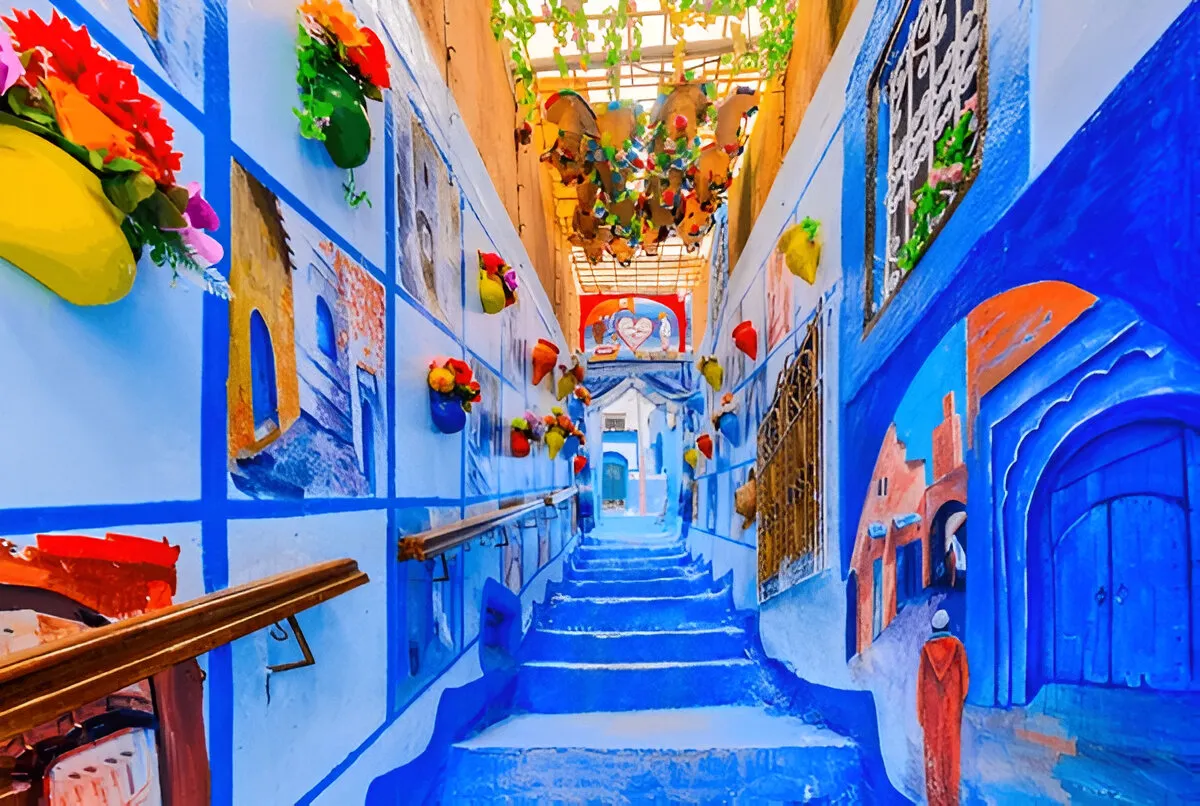
Chefchaouen’s blue-painted medina and Rif Mountain setting make it one of the most photographed places in Morocco. Beyond the blue lanes, visitors find a compact old town, local crafts and access to nearby walking country.
The city has no train station, so it requires a bus, taxi, transfer or car from Tangier, Tetouan or Fes. Staying overnight gives you quieter morning and evening hours. A rushed visit in the middle of the day can feel more like a photo stop than a real stay.
Choose Chefchaouen if: you want a smaller medina, mountain views and a slower stop between larger northern cities.
Essaouira: the best relaxed city on the Atlantic
Essaouira combines a walled medina, fishing port, white-and-blue buildings and a long Atlantic beach. Its steady wind supports surfing and kitesurfing, but it also means beach conditions can feel cooler than visitors expect.
The compact center is easier to explore than the medinas of Marrakech and Fes. Essaouira is a useful contrast after several busy days in Marrakech, and two nights give the city more value than a quick return day trip. There is no train, so most visitors arrive by coach, transfer or car.
Choose Essaouira if: you want seafood, sea air, walkable streets and a quieter rhythm without moving into a resort environment.
Agadir: the best city for beaches and easy resort time
Agadir is built around the Atlantic waterfront and a modern tourism infrastructure. The city suits travelers who want a long beach, straightforward hotels and access to Taghazout’s surf scene. Souk El Had adds a large local market experience away from the resort strip.
Agadir does not offer the same historic setting as Fes, Marrakech or Essaouira. That is not a weakness if your priority is rest, winter sun or a family-friendly coastal base. It simply serves a different type of trip.
Choose Agadir if: beach time and easy accommodation matter more than staying inside an old medina.
Meknes and Ouarzazate: useful additions to the right route
Meknes
Meknes is a quieter imperial city near Fes. Its historic fabric, monumental gates and proximity to the archaeological site of Volubilis make it a good day trip or one-night stop. It is particularly useful for travelers who want more heritage without adding another major tourism center.
Ouarzazate
Ouarzazate sits on the route between Marrakech and the valleys and desert landscapes of southeastern Morocco. Taourirt Kasbah and the area’s film history add interest, but the city makes the most sense as part of a wider journey through Ait Ben Haddou, the Draa Valley, Dadès or the Sahara.
How many Morocco cities should you visit?
For most travelers, fewer cities produce a better trip. The following is a planning framework, not a fixed itinerary:
- Three to four days: Choose one city, usually Marrakech, Fes, Tangier or Agadir.
- One week: Choose two main cities and one nearby contrast, such as Marrakech and Essaouira, or Fes, Chefchaouen and Tangier.
- Ten days: Combine two regions if the route is efficient. A northern rail-and-road trip is easier than trying to include the north, Marrakech and the Sahara together.
- Two weeks: Three or four main bases become realistic, with room for the coast or a southern road journey.
The main mistake is counting nights without counting transfers. A travel day through the Atlas or between distant regions is part of the itinerary, even when the scenery is worthwhile.
Choose cities that connect naturally
Morocco’s rail network is most useful for combinations involving Tangier, Kenitra, Rabat and Casablanca, with conventional services connecting other major cities including Fes and Marrakech. Check current schedules and book through the official ONCF website.
Chefchaouen, Essaouira, Agadir and the main desert areas are not on the passenger rail network. Those destinations require coaches, taxis, transfers, flights or a rental car. This is why a route that looks varied on paper can become tiring in practice.
Common mistakes when choosing Moroccan cities
- Adding Casablanca automatically. Stay because the modern city interests you or supports the route, not only because your flight uses its airport.
- Treating Marrakech and Fes as the same experience. Both have famous medinas, but their pace, layout and role in an itinerary are different.
- Visiting Chefchaouen as a rushed photo stop. An overnight stay gives the city more depth and avoids the busiest part of the day.
- Assuming every major city has a train. Several popular destinations require road transport.
- Combining distant regions in one week. Northern Morocco, Marrakech and the Sahara do not form a relaxed seven-day trip.
- Choosing only famous places. Rabat or Meknes may suit your pace better than another crowded stop.
Which Morocco cities are right for you?
For a balanced first visit, choose one major cultural city and one contrasting destination. Marrakech with Essaouira works well for energy and coast. Fes with Chefchaouen and Tangier creates a strong northern route. Casablanca and Rabat suit travelers who value modern Morocco, architecture and easy rail travel.
If the Sahara is your main goal, build the journey around Marrakech, Ouarzazate and the southeastern road route instead of adding several unrelated cities. The best trip is not the one with the most pins on the map. It is the one where each stop feels different and the travel between them remains manageable.