Good Time to Go to Morocco?
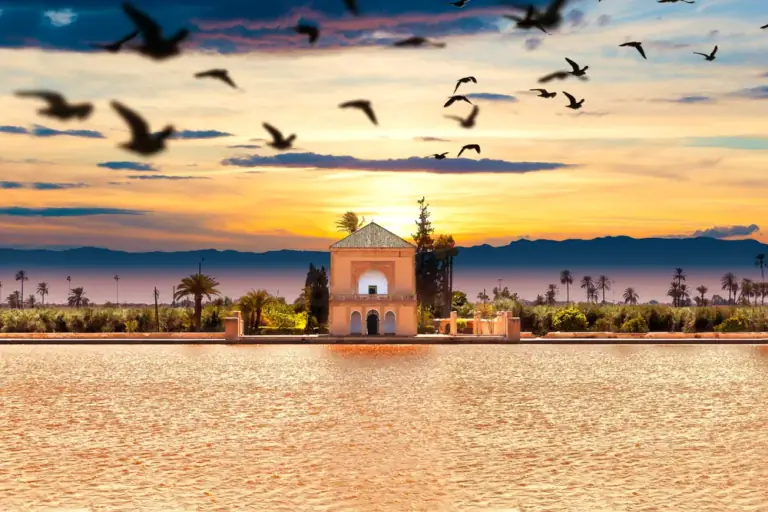
The good time to go to Morocco is spring, from March to May, or fall, from September to November. Both seasons bring mild temperatures across the country, from the coast to the desert, without the summer heat or the coldest winter nights. Exactly when within that window depends on what kind of trip you want, and once you have your dates, it’s worth reading our [complete Morocco travel guide](url pending, add after publication) for everything else that goes into planning the trip.
Why Spring and Fall Are the Good Time to Go to Morocco
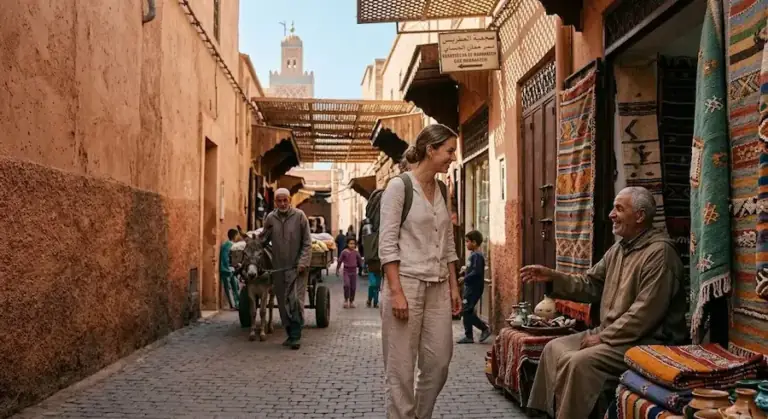
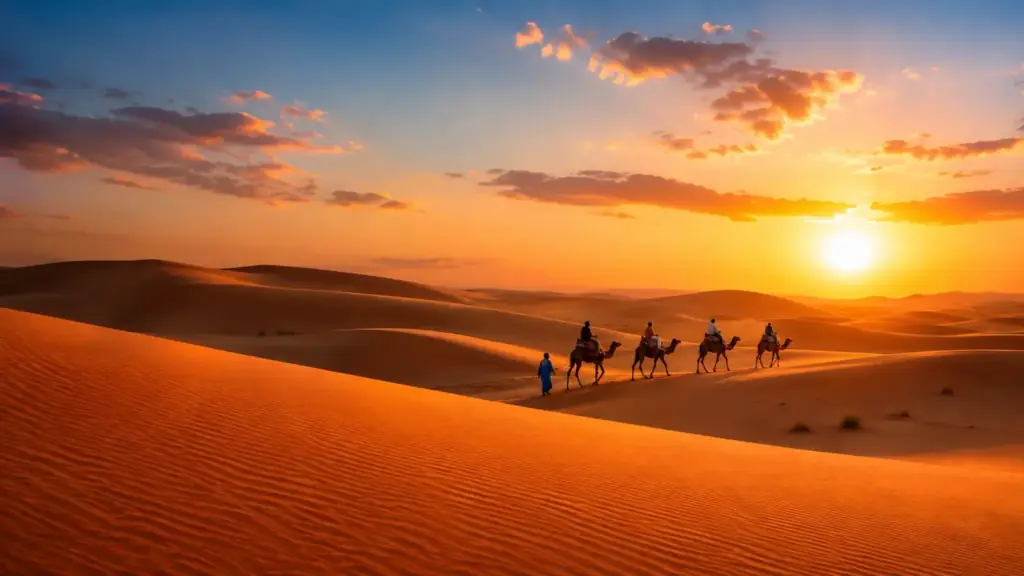
Spring and fall share the same advantage: temperatures across most of the country sit in a comfortable range, generally somewhere between 20 and 26 degrees Celsius (68 to 79 degrees Fahrenheit) in the major cities. That range works for walking through medinas, hiking in the Atlas Mountains, and spending a night or two in the desert without extreme heat or cold working against you.
Spring also brings wildflowers to the Atlas foothills and the Kelaat M’Gouna Rose Festival in May, one of the country’s more distinctive seasonal events. Fall, especially October, tends to bring fewer crowds than spring while keeping the same comfortable weather, plus the Draa Valley date harvest adds some regional color if your route passes through it. If someone asks when is the best time to visit Morocco, spring and fall are consistently the answer travel professionals and locals both give, and it holds up against the actual weather data.
Summer in Morocco: Hot Inland, Milder on the Coast
Summer, June through August, runs hot almost everywhere except the coast. Marrakech, Fes and other inland cities regularly pass 38 degrees Celsius (100 degrees Fahrenheit) in July and August, which makes midday sightseeing genuinely uncomfortable. The Atlantic coast, including Casablanca, Essaouira and Agadir, stays noticeably milder and becomes the busiest season for beach focused travel.
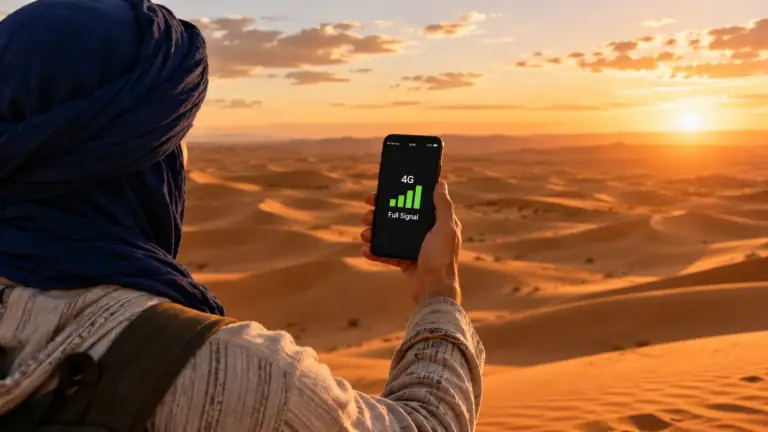
If your trip is mostly coastal, summer works fine. If it includes Marrakech, Fes or the desert, plan around the heat: early mornings, late afternoons, and air conditioned breaks in the middle of the day. It’s also a good time to sort out things like your [Morocco SIM card or eSIM] before you land, so you can check weather and transport updates as you go.
Winter in Morocco: Mild by Day, Cold at Night
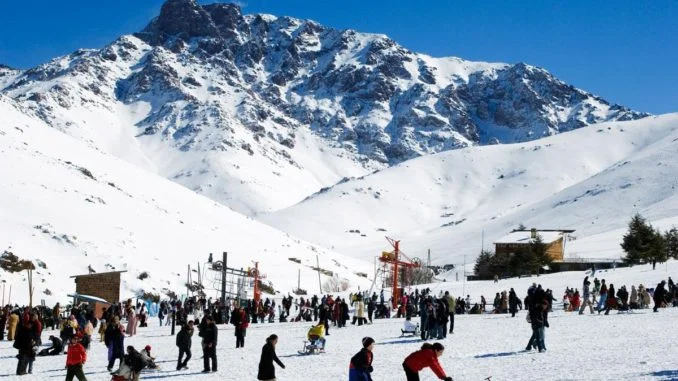
Winter, December through February, is Morocco’s budget season and it has real advantages if you’re prepared for it. Coastal and southern cities stay mild during the day, but the desert and the Atlas Mountains get genuinely cold at night, often near freezing in the Sahara and colder still at elevation. The High Atlas gets snow, and skiing opens at Oukaimeden when conditions allow, which surprises a lot of first time visitors who don’t associate Morocco with snow at all.
Winter is a reasonable choice if you’re comfortable packing warm layers for the evenings and want lower prices and thinner crowds, but it’s not the best fit if a desert overnight without cold nights is a priority for you. Lower season prices also mean it’s worth brushing up on [money in Morocco] and how ATMs and cards work here, since you’ll likely be handling more cash for smaller towns during quieter months.
Ramadan and Timing: What to Check Before You Book
Ramadan shifts about eleven days earlier every year on the Gregorian calendar, so it can fall in any season depending on the year you’re traveling. You can check the current year’s Ramadan dates before booking, since guessing the month wrong can throw off your expectations. During Ramadan, many restaurants and cafes adjust their hours, some close during daylight fasting hours, and the overall pace of daily life shifts, especially in smaller towns. None of this makes Morocco a bad destination during Ramadan, but it does change what a typical day looks like, so confirm the dates before you lock in travel plans rather than assuming Ramadan falls in any particular month.
Best Time to Visit Morocco by What You Want to Do
The single best window changes a little depending on what your trip actually focuses on:
- Sahara Desert trip: Spring, fall, or winter days work well; avoid summer, when desert heat during the day is extreme even by Morocco’s standards.
- Coastal trip (Essaouira, Agadir, Casablanca): Summer is genuinely one of the better options here, since the coast avoids the inland heat.
- Atlas Mountains trekking: Late spring through early fall gives the most reliable trail conditions, with winter bringing snow at higher elevations.
- City sightseeing (Marrakech, Fes, Chefchaouen): Spring and fall are the clear picks, since summer heat and winter’s cold mornings both work against a full day of walking.
When Is the Best Time to Visit Morocco: Quick Recap
So, when is the best time to visit Morocco, in one line? Spring and fall for most travelers, summer if your trip is coastal, and winter if you don’t mind cold desert nights in exchange for lower prices and fewer crowds. That said, morocco best time to visit really comes down to your specific route: a trip built entirely around the coast has different ideal months than one centered on the desert or the mountains. Whatever you choose, it’s worth reading up on [tipping in Morocco] before you go, since expectations shift a little with the season and how busy things are.
A few common ways people phrase this same question, answered directly:
Best time to go to Morocco? Spring (March to May) or fall (September to November).
Best time to travel to Morocco? Same answer: spring or fall, for the most consistent weather across regions.
When is the best time to travel to Morocco? Late spring or early fall specifically, if you want to avoid both summer heat and winter’s cold nights.
Best time visit Morocco if I only care about one thing, good weather everywhere? Late April through May, or late September through October, are usually the safest bets nationwide.
Planning your trip to Morocco?
Read our complete Morocco travel guide →