Languages Spoken in Morocco: what language do they speak in morocco
Morocco’s official languages are Arabic and Tamazight (Berber), but that’s only part of the story. Most Moroccans actually speak Darija day to day, French shows up everywhere in business and signage, Spanish survives in pockets of the north, and English is growing fast in tourist areas and among younger Moroccans. If you’re planning a trip, understanding which language does what will save you confusion once you land.
Why Morocco Has So Many Languages
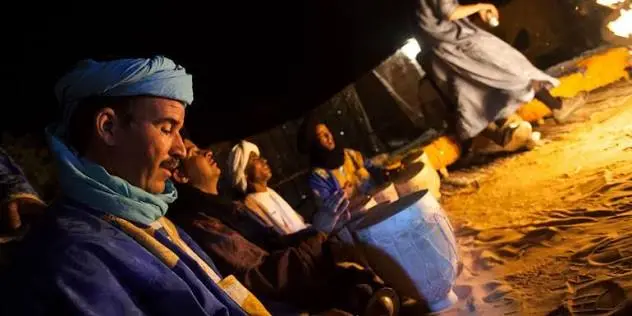
Morocco’s language mix isn’t random, it reflects centuries of overlapping history. Amazigh (Berber) peoples were in Morocco long before Arabic arrived with the Islamic conquests of the 7th century. Arabic layered on top of Amazigh languages over time, eventually becoming dominant in most cities while Amazigh varieties stayed strongest in mountain and rural regions. French entered during the colonial protectorate period (1912 to 1956) and never fully left, especially in government, business, and higher education. Spain controlled a northern strip of the country during roughly the same period, which is why Spanish still lingers there. English is the newest arrival, driven mostly by tourism, global business, and younger Moroccans looking outward.
What Language Do They Speak in Morocco
Arabic: Two Very Different Versions
When people say “Arabic” in Morocco, they usually mean one of two things, and the difference matters more than most first-time visitors expect.
Modern Standard Arabic (MSA) is the formal, written version taught in schools and used in government documents, news broadcasts, and official signage. It’s understood across Morocco, but almost nobody speaks it casually in conversation.
Darija (Moroccan Arabic) is what people actually speak on the street, in markets, at home, and in most everyday conversations. It shares 85 to 90 percent of its vocabulary with Modern Standard Arabic, but the grammar, pronunciation, and a good chunk of everyday words are different enough that linguists treat the two as separate registers rather than the same language spoken formally and informally. Darija also borrows heavily from French, Spanish, and Amazigh languages, which is part of why it sounds distinct even to Arabic speakers from other countries.
If you learned Arabic somewhere else and expect to follow a conversation in a Marrakech souk, you may find Darija harder to parse than you expected, and that’s normal, not a sign you’re doing anything wrong. In short, what language is spoken in Morocco day to day is Darija, not Modern Standard Arabic.
Tamazight: Morocco’s Other Official Language
Tamazight, commonly called Berber, became an official language alongside Arabic under Article 5 of Morocco’s 2011 constitution, which describes it as “common patrimony of all Moroccans without exception.” Rolling that status out in practice, especially in schools, has been gradual. As of 2023, only about 10 percent of Moroccan students studied Berber in school, even though roughly a quarter of the population speaks some form of it.
Tamazight isn’t one single language but a family of related varieties, and which one you’ll hear depends heavily on where you are:
| Variety | Share of population | Main region |
|---|---|---|
| Tashelhit | ~14.1% | High Atlas, Anti-Atlas, Souss (Agadir area), sud-est area. |
| Central Atlas Tamazight | ~7.9% | Middle Atlas |
| Tarifit | ~4.0% | Rif Mountains (Chefchaouen, Al Hoceima) |
Combined, Amazigh varieties are spoken by roughly a quarter of Morocco’s population, with close to 19 percent considering one a mother tongue. In practice, if you’re trekking in the Atlas Mountains or visiting a rural Berber village, you’re more likely to hear Tashelhit or Tamazight as the first language of daily life than Darija, even though most speakers there are also fluent in Darija.
French: No Official Status, but Hard to Avoid
French isn’t one of Morocco’s official languages, but it’s deeply embedded in business, government, and higher education, a legacy of the French protectorate era. Over half of Moroccans (57.7%) can read and write French, and close to half of students (47%) receive at least part of their education in French. Menus, street signs, government paperwork, and product packaging in cities frequently appear in French alongside Arabic, sometimes more prominently than Arabic in upscale restaurants and hotels.
French also functions as something of a class and education marker in Morocco. Fluent French tends to signal a more urban, educated background, which is worth knowing if you’re trying to understand social dynamics you observe while traveling.
If you speak French, even a little, it will open doors that English alone won’t, particularly outside the main tourist circuit, in smaller towns, and when dealing with any kind of official process.
Spanish: Fading, but Still Present in the North
Spanish has a real history in Morocco tied to Spain’s former protectorate over the north, and it’s still spoken in areas close to the Spanish-controlled cities of Ceuta and Melilla, including Tangier, Tetouan, and parts of the Rif. That said, Spanish has faded significantly elsewhere in the country over the past two decades, dropping from an estimated 21.9% of speakers in 2005 to around 4.5% by 2017. Spanish-language school enrollment fell just as sharply over the same period. Outside the far north, don’t count on it.
English: Growing Quickly, Especially with Younger Moroccans
English isn’t an official or historically dominant language in Morocco, but it’s expanding fast, especially among younger people and in tourist-facing jobs. As of the 2024 census, about 20.5% of Moroccans could read and write English. Morocco’s Ministry of Education began generalizing English instruction from secondary school starting in 2023, a deliberate policy shift toward English as the country’s international language of choice going forward.
In practice, English use in hotels, riads, guided tours, and restaurants in bigger cities is common enough that most US travelers can get by comfortably in the main tourist areas. It’s less reliable in small towns, rural areas, and with older Moroccans.
A Few Basic Darija Words Worth Knowing
You don’t need to learn Arabic to visit Morocco, but a handful of Darija words go a long way as a gesture of respect, and locals generally appreciate the effort even if your pronunciation is rough.
| English | Darija | Rough pronunciation |
|---|---|---|
| Hello | Salam / As-salamu alaykum | sah-LAHM |
| Thank you | Shukran | SHOOK-ran |
| Please | Afak | ah-FAHK |
| Yes | Naam / Wakha | nahm / WAH-kha |
| No | La | lah |
| How much? | Bshhal? | buh-SHAHL |
| Goodbye | Bslama | buh-suh-LAH-mah |
How Language Reality Shifts by City and Region
The language you’ll actually hear and need shifts noticeably depending on where you are in Morocco:
- Marrakech and Casablanca: Darija dominates daily life, French is common in business and upscale settings, and English is widely understood in tourist zones.
- Fes: Similar to Marrakech, with a strong French presence tied to its historic role in education and administration.
- Tangier and Tetouan: The most likely places to still hear Spanish, alongside Darija and French.
- Rif Mountains (Chefchaouen area): Tarifit (a Tamazight variety) is common as a first language, alongside Darija.
- Atlas Mountains and Souss region (Agadir area): Tashelhit or Central Atlas Tamazight is often the first language of rural communities, with Darija as a second language for most people.
- Sahara and desert regions (Merzouga area): A mix of Darija and Hassaniya Arabic influences, plus some Tamazight in surrounding areas.
What This Actually Means for Your Trip
In practice, most travelers do fine with English in Marrakech, Fes, Casablanca, and other well-visited cities, especially anywhere tourism is part of daily business. A few French basics help outside those areas, and picking up a handful of Darija greetings tends to go a long way with locals, more as a gesture of respect than a necessity. If your trip includes rural areas, mountain treks, or smaller towns, expect more reliance on gestures, patience, and the occasional translation app, and less consistent English.
Morocco Main Language at a Glance
So, what are the languages spoken in Morocco, in one paragraph? Arabic and Tamazight are official, Darija is what most people actually speak, and French, Spanish and English fill in the rest depending on where you are and who you’re talking to. Ask most Moroccans about the main language in Morocco and they’ll point straight to Darija, even though Arabic and Tamazight hold official status. Locals often just call Darija “the Moroccan language” since it’s what practically everyone uses outside formal settings, and every language in Morocco serves a different purpose, from official documents to street chatter to tourism.
Morocco country language questions usually come down to one thing: which one do you actually need for your trip? For most travelers sticking to the main cities, that answer is English, backed up by a little French. And if someone asks what language Morocco speak in casual conversation, the honest answer is Darija first, with French, Tamazight, Spanish and English layered in depending on the region.
Common Questions About Language in Morocco
Do I need to speak Arabic to visit Morocco?
No. English works in most tourist areas, and a few basic Darija or French words cover the rest.
Is Darija the same as the Arabic taught in language classes?
Not really. Most Arabic courses teach Modern Standard Arabic, which Moroccans understand but rarely speak casually. Darija, the everyday spoken language, differs enough in grammar and vocabulary that MSA alone won’t fully prepare you for street conversation.
Will French or English get me further in Morocco?
French generally opens more doors outside major tourist areas, since it’s embedded in business, government, and education. English is increasingly reliable in tourist-facing businesses in major cities but less consistent elsewhere.
Planning your trip to Morocco?
Read our complete Morocco travel guide →